Pediatric cancer
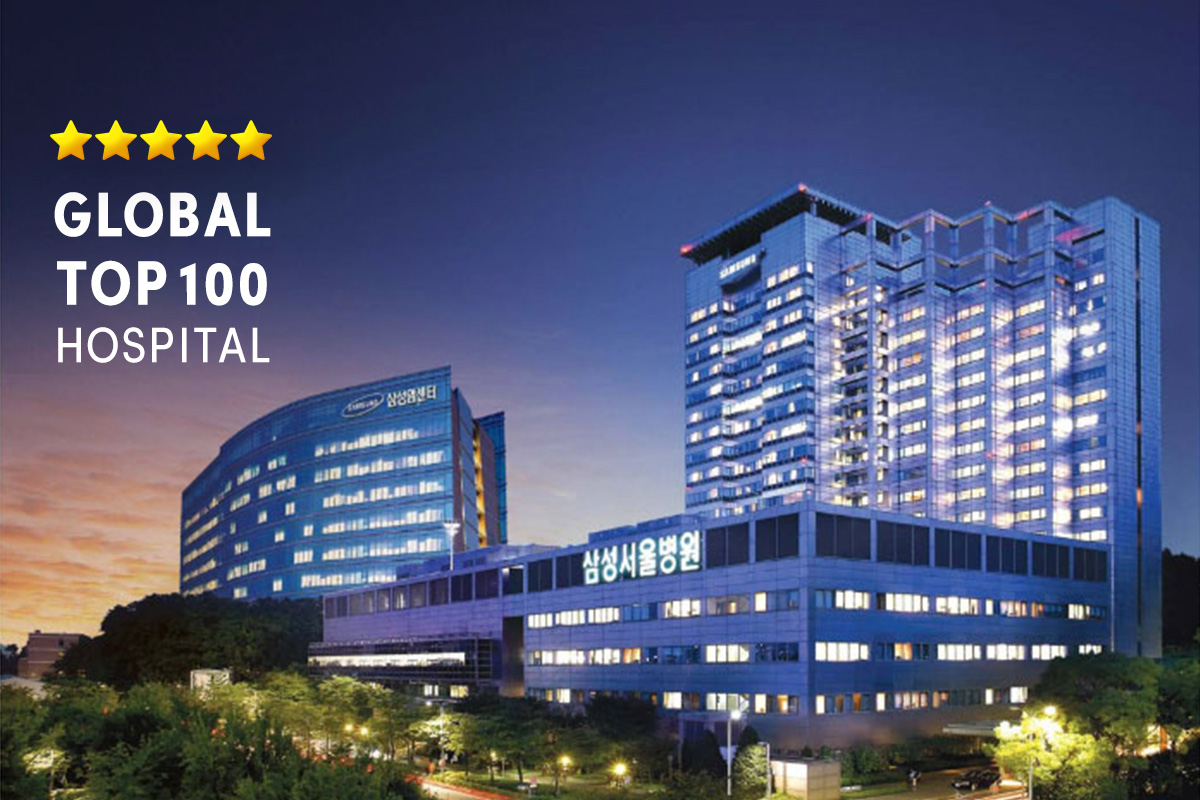

Samsung Medical Center
number of surgeries
- · HDCT/auto-SCT: 128 (2015~2016)
- · Allo-SCT: 62 (2015~2016)
- · Hematopoietic Stem Cell Transplantation: 1,680 (1998~2017, auto+allo)
Since the highest risk group at diagnosis that includes certain types of acute leukemia, high-risk neuroblastoma, high-risk brain tumor, other high-risk solid tumors or some recurrent tumors, etc. has low survival rate with conventional chemotherapy, SMC's medical staff from Pediatric Cancer Center improve the complete cure rate by performing hematopoietic stem cell transplantation. The medical staff of SMC is most actively performing hematopoietic stem cell transplantation in South Korea, and in June 2011, we reached 1000 cases of pediatric hematopoietic stem cell transplantation for the first time in South Korea so that, based on the accumulated experiences in hematopoietic stem cell transplantation, we are producing the treatment results whose results are better than those of advanced countries.
For pediatric patients who do not have appropriate donors, we perform cord blood transplantation successfully so that the survival rate that is similar to that of transplantation between siblings or unrelated persons is secured, and transplantation between haploidentical types is also performed for therapeutic effect depending on diseases.
We are producing the high survival rate with the new treatment strategy in pediatric acute myeloid leukemia. The medical staff of SMC has been developing the unique anticancer protocol since 2012, and prognosis group classified based on molecular and cytogenetic characteristics at diagnosis to apply differentiated treatment strategies based on each prognosis (favorable, intermediate, poor prognosis). As the result, we have achieved the surprising performance of the five-year survival rate, 78% (in Western advanced countries it is 60-70%).
For the high-risk group of neuroblastoma, the targeted radiation therapy called metaiodobenzylguanidine (MIGB) is performed in combination with the high-dose anticancer therapy, and by this SMC could report the world-class level of the survival rate, 70%, as the five-year treatment result. In case of the treatment of medulloblastoma, to avoid adverse effects from the radiation therapy SMC introduces the tandem high-dose chemotherapy and method that reduces the radiation therapy and now we have the survival rate up to 70-80%, which is the world-class level as well.
Also, we are actively doing basic and translational research for treatment of refractory diseases and continuously improving treatment results of patients as well as providing patients with the best care.
Details are finalized after consulting with the hospital