Liver cancer
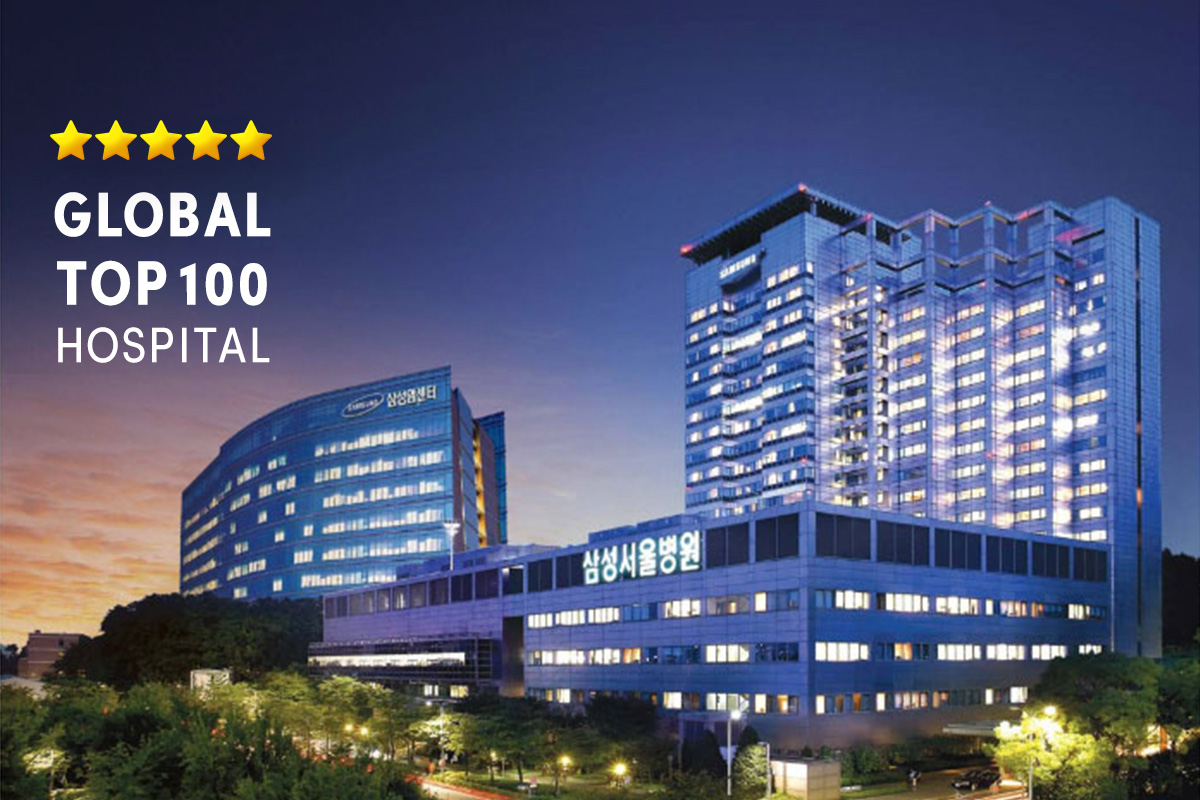

Samsung Medical Center
What is liver cancer, and how is it diagnosed?
Liver cancer is a cancer that starts in the liver. Major risk factors include excessive alcohol intake, chronic hepatitis, non-alcoholic steatohepatitis and cirrhosis. Unlike most other types of cancer, the signs and symptoms of liver cancer tend to be noticed until the cancer reaches an advanced stage. This is why liver cancer has a low survival rate.
Diagnosis of liver cancer
Liver cancer can be diagnosed based on the results of imaging tests such as computed tomography (CT) or magnetic resonance imaging (MRI) scans. With liver MRI, benign and malignant tumors can be distinguished more accurately, and even a small cancer with a size of less than 1 cm may be diagnosed. At times, if the results of the imaging tests are uncertain, performing liver biopsy would be the only option to confirm liver cancer. For liver cancer, early discovery is important, and therefore accurate reading of images by an experienced radiologist is very crucial.
Treatment of liver cancer
The prognosis of patients with liver cancer is often affected by the liver function because most patients have coexistent chronic liver disease including chronic hepatitis and cirrhosis. In fact, it is the worsening of liver function rather than the cancer itself that is the most common cause of death among patients with liver cancer. Therefore, it is very important not only to provide the most appropriate anti-cancer treatment among the available options but also to maintain liver function even after the treatment through comprehensive and integrative management of each patient's condition.
Treatment methods performed in Samsung Medical Center
Liver resection: When the cancer is diagnosed at an early stage, surgical resection is an effective method for treating liver cancer. Whether surgery is necessary for the patient is determined based on the progression : remaining liver function, number of tumors, presence of metastases and etc With the latest surgical techniques, such as laparoscopic surgery and robot-assisted surgery, pain and recovery time can be significantly shortened compared to conventional laparotomy.
Liver transplantation : Liver transplantation offers a cure of liver cancer and underlying chronic liver disease at the same time by replacing the diseased liver with a healthy liver. The success rate for liver transplantation at Samsung Medical Center is 99%. Even when the blood types of the donor and the recipient are not compatible, a safe liver transplantation can be done. Moreover, donors can benefit from minimal surgical scars and recovery time through laparoscopic liver resection.
Radiofrequency ablation therapy : This method burns away small liver cancer by inserting a needle-shaped radiofrequency catheter under local or conscious sedation anesthesia. It offers an excellent treatment outcome for patients with a liver cancer of less than 3 cm-size.
Cryoablation therapy : When radiofrequency ablation is limited by the location of tumor, adjacent structure such as blood vessels, cryotherapy is a promising therapeutic alternative. This method destroys the tumor by rapidly freezing and thawing the cancer repeatedly through a needle inserted under CT or ultrasound guidance.
Transarterial chemo(or radio)embolization : Transarterial chemoembolization (TACE) or radioembolization (TARE) is one of the most commonly used minimally invasive procedures performed in interventional radiology to treat liver cancer. Either small embolic particles coated with chemotherapeutic drugs (TACE) or microbeads coated with radioactive isotope (TARE) are injected selectively through a catheter into an artery that directly feeds the tumor. These particles attack the tumor in several ways, including blocking the blood supply, direct cytotoxicity and irradiation. Sometimes, it is performed in conjunction with other treatment options such as radiofrequency ablation therapy or radiation therapy to improve treatment outcome.
Proton therapy : This is one of the most advanced techniques for treating liver cancer. Proton therapy is a type of particle therapy that uses a beam of protons to irradiate and destroy cancer cells. This enables delivery of intense energy to treat cancer while minimizing the damage of surrounding liver tissues behind the tumor.
Radiation therapy : Radiation therapy is usually performed to relieve symptoms and prevent complications caused by tumor invasion into other sites, including blood vessels, lymph nodes and bones.
Details are finalized after consulting with the hospital